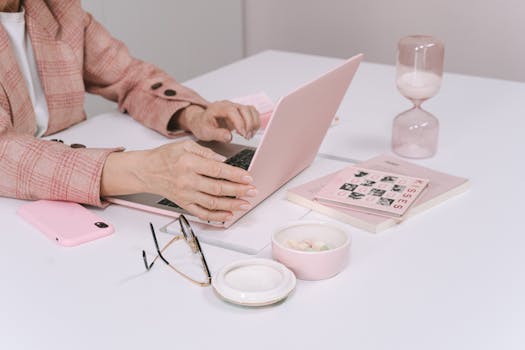

Remember that first frantic attempt at working from home? Maybe it was perched on the sofa with a laptop, or perhaps a makeshift desk in the corner of the dining room, constantly battling the urge to do the dishes or engage in family life? For many, the home office has evolved from a temporary necessity to a permanent fixture. But is it truly serving us? Or are we simply tolerating a space that drains our energy and stifles our creativity? It’s time to move beyond mere functionality and delve into the art of home office design, transforming that space into a wellspring of productivity and well-being. Let’s explore some key home office design tips that go beyond the obvious.
Embracing the Unseen: The Power of Ergonomics and Flow
We often focus on the tangible – a stylish desk, a comfortable chair. But what about the often-overlooked elements that profoundly impact our physical and mental state? Thinking about the flow of your space, not just its appearance, is paramount.
#### The Ergonomic Imperative: More Than Just a Comfortable Chair
It’s easy to dismiss ergonomics as a buzzword, but neglecting it is a recipe for long-term discomfort and inefficiency. Are you experiencing neck strain or wrist pain? It might be time to reassess your setup.
Monitor Height: Your screen should be at eye level to prevent neck strain. Consider a monitor stand or even a stack of sturdy books if budget is tight.
Keyboard and Mouse Placement: Ensure your elbows are at a 90-degree angle when typing, and your wrists are straight. An ergonomic keyboard or mouse can make a significant difference for some.
Desk Height: Your desk should allow your forearms to rest comfortably while typing. Adjustable height desks offer fantastic flexibility, allowing you to switch between sitting and standing.
#### Navigating Your Workspace: Creating Movement Pathways
Think about how you move within your office. Is it a tight squeeze to get to your filing cabinet? Do you feel confined? Designing for movement is just as crucial as designing for stillness.
Clear Aisles: Ensure there’s ample space to walk around your desk and access other areas of the room without feeling cramped.
Zone Your Space: If your office also serves as a reading nook or a creative corner, define these zones clearly with furniture placement or rugs. This psychological separation can boost focus.
The Symphony of Light and Sound: Elevating Your Sensory Experience
Our senses play a monumental role in our productivity and mood. A dimly lit, noisy office can be a productivity killer. Conversely, a well-lit, tranquil space can foster deep concentration.
#### Harnessing Natural Light: Your Built-in Mood Booster
Natural light isn’t just pleasant; it’s essential for regulating our circadian rhythms and improving mood. Maximizing it is one of the smartest home office design tips you can implement.
Desk Placement: Position your desk to take advantage of natural light without glare on your screen. Facing a window can be inspiring, but be mindful of direct sunlight.
Window Treatments: Opt for sheer curtains or blinds that allow light to filter through while still offering privacy.
#### The Art of Acoustic Control: Finding Your Focus Zone
The ambient sounds of home – family chatter, street noise, the hum of appliances – can be incredibly distracting. Creating an acoustically comfortable environment is key.
Soft Furnishings: Rugs, curtains, and upholstered furniture absorb sound, reducing echo and reverberation.
Soundproofing Solutions: For serious distractions, consider acoustic panels or even double-glazed windows. Sometimes, a good pair of noise-canceling headphones is your best friend.
The Psychological Palette: Color, Organization, and Greenery
The colours we surround ourselves with, the order (or chaos) of our belongings, and the presence of nature all have a profound impact on our mental state and our ability to perform. These aspects of home office design tips often get overlooked in favour of purely functional choices.
#### Painting with Purpose: How Color Affects Your Mindset
Colors evoke emotions and can influence our focus and energy levels. What palette will best support your work style?
Blues and Greens: Often associated with calmness, focus, and serenity. They can be excellent choices for tasks requiring deep concentration.
Yellows and Oranges: Known for their energizing and creativity-boosting properties. Use them as accent colors to add a spark.
Neutrals: Grays, whites, and beiges offer a sophisticated and calming backdrop, allowing your work to take center stage.
#### Taming the Clutter Monster: Organization as a Productivity Tool
A disorganized workspace can lead to a disorganized mind. Finding smart storage solutions is crucial for maintaining focus and reducing stress. This is a core tenet of effective home office design tips.
Vertical Storage: Utilize wall shelves and tall cabinets to maximize floor space.
Drawer Organizers: Keep smaller items neatly tucked away and easily accessible.
Digital Decluttering: Don’t forget your virtual workspace! A clean desktop and organized file system are just as important.
#### The Biophilic Boost: Inviting Nature In
There’s a growing body of research highlighting the benefits of incorporating nature into our environments. Plants aren’t just decorative; they can purify the air and reduce stress.
Low-Maintenance Plants: Choose species that thrive in indoor conditions and require minimal care. Snake plants, ZZ plants, and spider plants are good starting points.
Nature-Inspired Decor: Even if you can’t have live plants, consider nature-themed artwork or imagery.
Personalizing Your Sanctuary: Making it Uniquely Yours
Your home office should be a space that inspires and motivates you. It’s not just a place to clock in and out; it’s an extension of your professional identity and personal sanctuary.
#### Infusing Your Personality: Beyond Generic Decor
While functionality is key, don’t be afraid to inject your personality into the space. What items spark joy or remind you of your goals?
Art and Photos: Display artwork, motivational quotes, or personal photographs that uplift you.
Comfort Items: A cozy blanket, a favorite mug, or a comfortable cushion can make your workspace feel more inviting.
#### The Tech Integration Dilemma: Balancing Connectivity and Calm
We rely on technology, but a tangle of cords and an overwhelming number of devices can create visual noise and stress. Smart tech integration is a modern home office design tip worth considering.
Cable Management: Invest in cable clips, sleeves, or a desk grommet to keep cords tidy and out of sight.
* Minimalist Tech: Consider devices that serve multiple purposes or offer wireless connectivity to reduce clutter.
Wrapping Up: Your Actionable Step Towards an Inspiring Workspace
Designing a home office is an ongoing journey, not a destination. It’s about creating a space that evolves with your needs and supports your well-being. Don’t feel pressured to overhaul everything at once. Start with one small change, like optimizing your monitor height or adding a small plant. The cumulative effect of these thoughtful adjustments will undoubtedly lead to a more productive, comfortable, and enjoyable work-from-home experience. What’s the one element you’ll tackle this week?